Kathleen Schmalz (& Collaborator Bill Schmalz)
Snow Days Exhibition
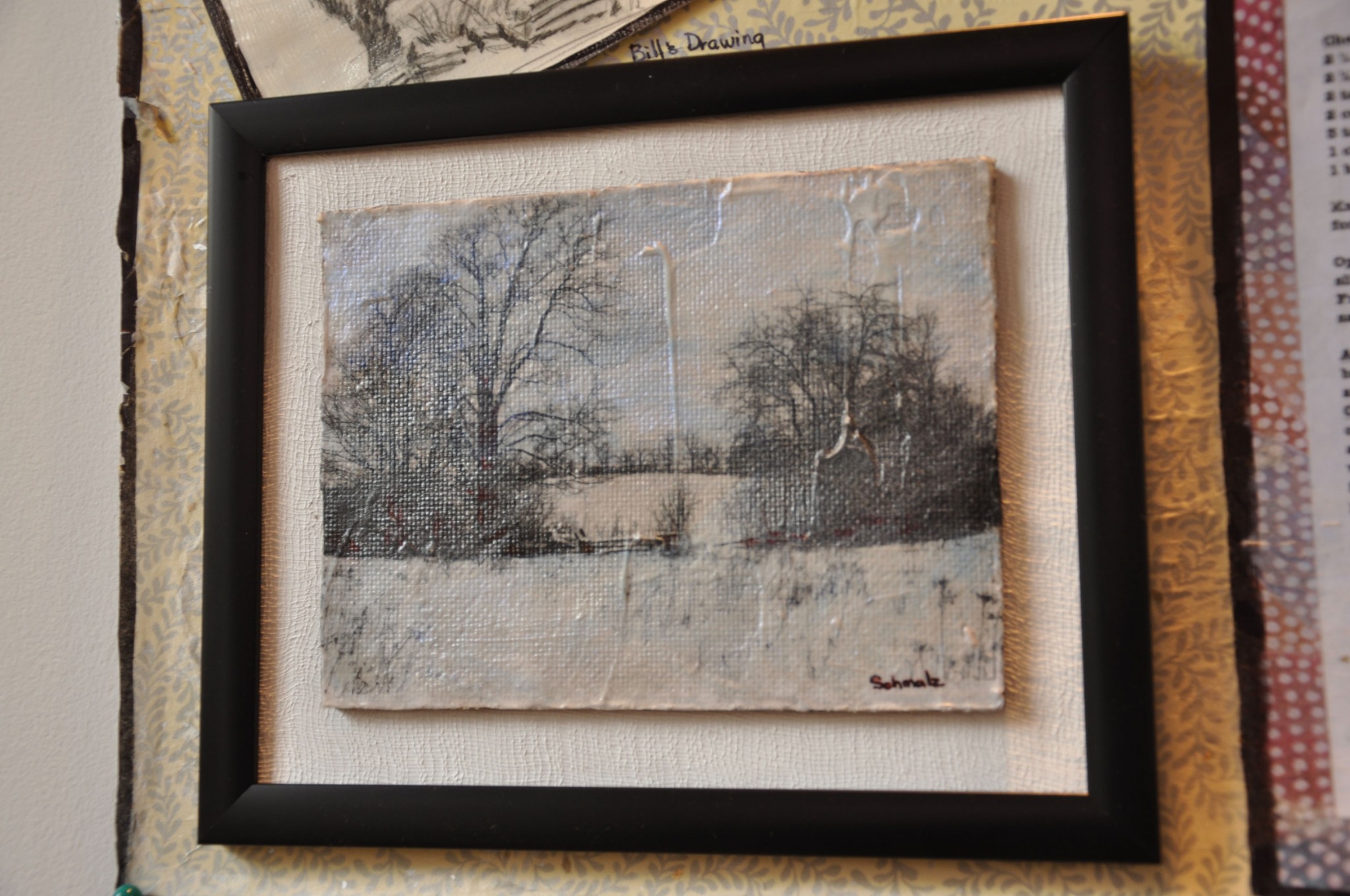
Kathleen Schmalz (& Collaborator Bill Schmalz) February 6th Documentation
Last night it snowed about 6” in Guelph – perfect for a ‘Snow Day’. Yesterday we prepared for a special snow lunch with our friends Mike and Rob. As we prepared, we wondered, “Did Swiss Mountain Climbers eat Fondue?” Here is what we discovered:
The first recorded use of Fondue, as we know it was in 1699! It was not eaten by mountain folk as it contains expensive cheese, so contrary to our image of the mountaineer stuffing stale bread and chunks of cheese in his or her pockets before skiing off across the mountains – it was a towns-peoples’ dish. Fondue became popular in North America in the 1950’s when chocolate fondue as added as a clever way of selling Tolerance bars!
Bill and I broke a good sweat prior to the calorific lunch by breaking trail through the new snow at Guelph Lake on our cross-country skis. Then we met Mike and Rob to enjoy the beautiful day and the great food. Although it is possible to buy packaged fondue in the grocery stores, the recipe included here is much superior in both texture and taste.
Cheese Fondue for Four
2 ½ cups grated Ementhal Cheese
2 ½ cups grated Gruyere Cheese
2 tablespoons Cornstarch
2 cups White Wine (and the rest of the bottle to share)
3 tablespoons Kirsch (optional)
1 clove of Garlic
1 baguette
Knife, pot, large spoon, camp stove, matches, fondue forks, regular forks, plates, mugs for a ‘spot of wine’
Optional: vegetables to dip, e.g. zucchini slices, mushrooms, red pepper slices Fruit (e.g. strawberries) and chocolate (the chili chocolate and the salted chocolate are our favourites)
At home: Grate the cheese. Mix cornstarch into cheese. Put in a zip lock bag or container to take to the fondue site. Cut the baguette into slices and each slice into 3 pieces. On site: Cut top off garlic clove and rub around inside of pot. Add 2 cups of White Wine. Turn heat on camp stove on low. Stirring constantly, add grated cheese and warm slowly. If it is too thick add a little more wine. It will thicken a little as it cooks. Dip bread into pot with fondue forks, stirring occasionally. A thin film will form on the bottom of the pot that can be eaten afterwards.
Contemporary Fondue etiquette dictates that guests not eat off the dipping fork so a second fork is provided to take the bread off the dipping fork and onto the plate to be eaten.
Historical Etiquette dictates that if the bread falls off a man’s fork he pays for a round and if it falls off a woman’s fork she kisses the man next to her.
Bio
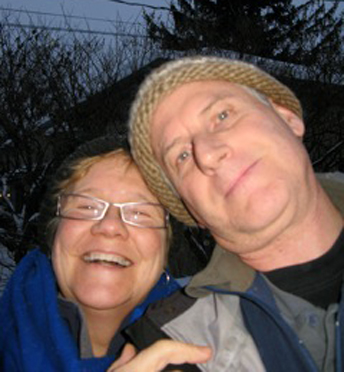
Primarily a painter, I have also explored art-making from a tactual and textural viewpoint and created collage, sewn and woven pieces as well as installations and sculptures. I am very interested in the histories of everything from rocks to icicles, from plants to human cultures. I see all of these as having histories that are recorded in their presence.
Motivation
Having been involved in the Hydro Hike and the planning of the Don River trip, I see this show as another opportunity to work with a very dynamic and interesting group of people who are willing to explore an idea without the usual focus on the end product. It seems to me that many artists who have been involved in the earlier exhibitions have had some significant breakthroughs in their work due to the open ended nature of the tasks and the accepting nature of the curators. I experienced this with the graffiti pieces that I created for past shows. This is a theme that had not occurred to me in the past, and really suits the historical philosophy that I take with my work. I would welcome the challenge of having a day, particularly if it works out for me to collaborate with Bill to create work for the show. I have some ideas dealing with an hourly photograph taken throughout the 24 hour period to begin by explorations, but would like to leave the final end product open to exploration as you have discussed.
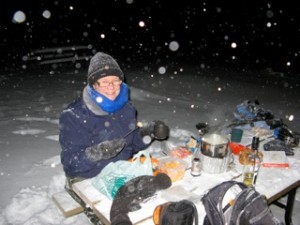
Bill and Kathleen Schmalz making fondue @ Guelph Lake
Connect With Us
Recent Tweets
-
 Life/Studio Updates: https://t.co/hx7TfNJy4k https://t.co/Y7fU0mzXSr
7 years ago
Life/Studio Updates: https://t.co/hx7TfNJy4k https://t.co/Y7fU0mzXSr
7 years ago
-
Promo vid for Ryan Phyper's sculpture at @HarbourfrontTO as part of #SculptingNewReads. Inspired by #HowardAkler's… https://t.co/jl4bdsrMqm
8 years ago
-
Artist @EmDiCarlo responds to Author @emmafromtoronto rich collection of poetry-prose #Stereoblind @HouseofAnansi S… https://t.co/FWlKoN3bNR
8 years ago
-
We're back to curate #SculptingNewReads @torontoWOTS. Contemoorary art inspired by Canadian books! Exhibition runs… https://t.co/3bicWBY2oS
8 years ago
-
RT @torontoWOTS: STAGE ANNOUNCEMENT: Check out Sculpting New Reads by @LabspaceStudio! There will be sculptures based on books by… https://t.co/FCgCL9DkKx
8 years ago